We continue to spotlight CORAGEOUS women for Woman’s History Month!
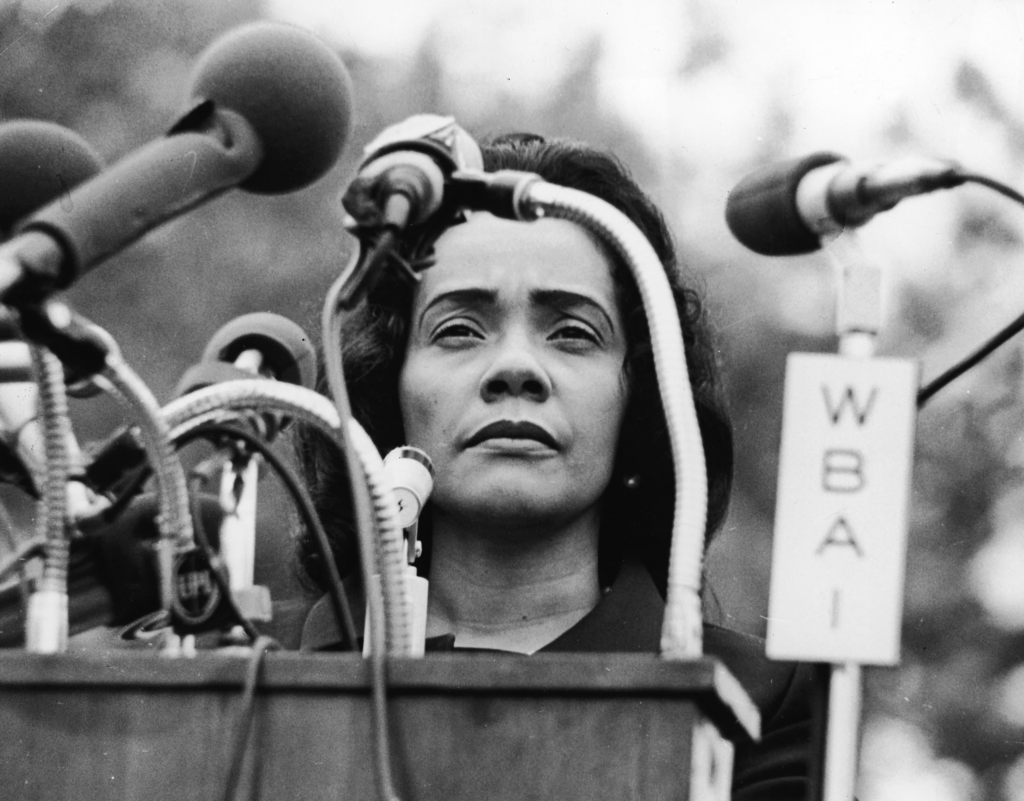
Although best known for being the wife of famed civil rights leader Dr. Martin Luther King Jr., Coretta Scott King created her own legacy in the movement to end injustice. She also worked to continue he husband’s legacy after his death.
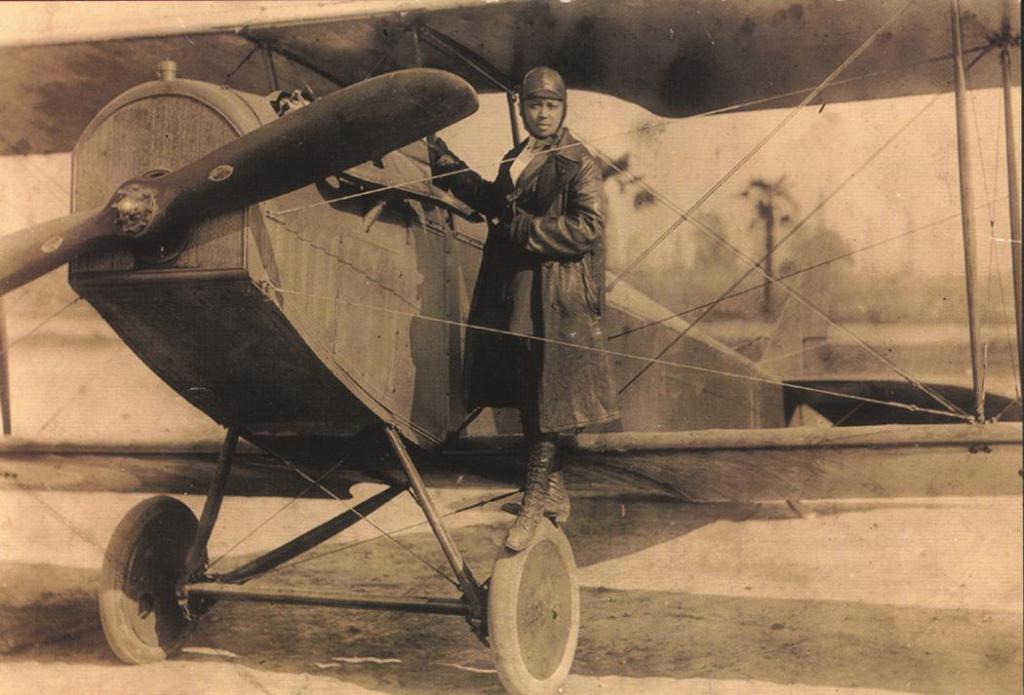
During Black History Month, we honor trailblazers like Bessie Coleman, who refused to let barriers keep her grounded.
Bessie Coleman defied the odds, becoming the first Black woman to earn an international pilot’s license in 1921. When flight schools in the U.S. denied her entry due to discrimination, she took her dreams to France and made history. Returning home, she wowed crowds as a daring stunt pilot, inspiring generations to chase their ambitions fearlessly.
Bessie Coleman was born in Waxahachie, Texas in 1892. Her mother was of African ancestry and her father was of African and Native American ancestry.
Due to discrimination in the United States, however, she went to France to attend an aviation school to become a pilot. In 1921, she became the first American woman to obtain an international pilot’s license.
Coleman came back to the United States and became a stunt pilot. She also raised money to start a school to train African American aviators, hoping to afford them opportunities that were not then available in the U.S.
“Well, because I knew we had no aviators, neither men nor women, and I knew the Race needed to be represented along this racist important line, so I thought it my duty to risk my life to learn aviating and to encourage flying among men and women of the Race who are so far behind the white men in this special line, I made up my mind to try. I tried and was successful.” – Bessie Coleman, Excerpt from “Aviatrix Must Sign Life Away to Learn Trade,” Chicago Defender, October 8, 1921
Coleman was killed in 1926 during an aerial show rehearsal. Her barrier-breaking life, determination, and impressive career accomplishments continue to provide inspiration for others to this day.
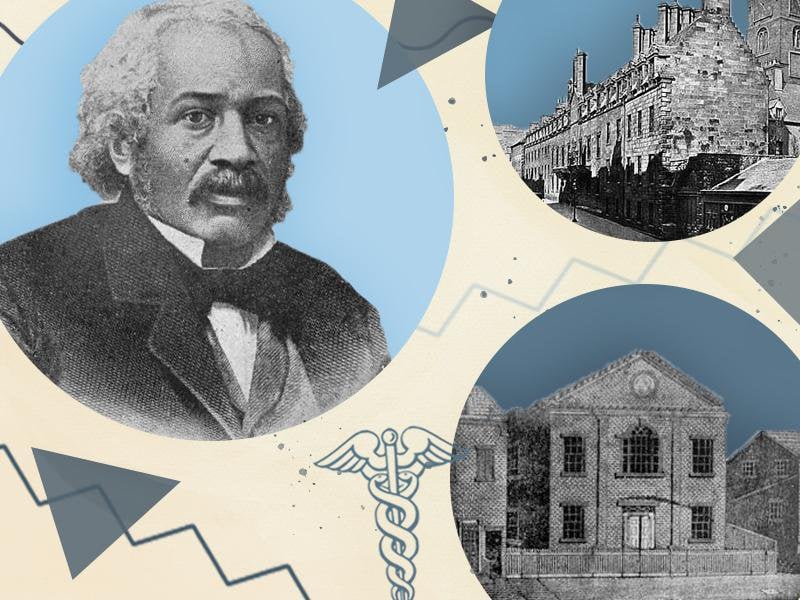
Our SALUTE to BLACK ACHIEVEMENTS and Black History Month CONTINUES! James McCune Smith was not just any physician. He was the first African American to earn a medical degree, educated at the University of Glasgow in the 1830s, when no American university would admit him. For this groundbreaking achievement alone, Smith warrants greater appreciation. Continue reading #BlackHistoryMonth Moment: #JamesMcCuneSmith-America’s 1st Black physician! [details]→
In case you didn’t already know, the creator of Black History Month was historian Carter G. Woodson. Often referred to as the “Father of Black History,” he was notably the second African American to graduate from Harvard University with a doctorate degree and is credited with being one of the first scholars to study and research the history of African Americans. Continue reading #BlackHistoryMonth Moment: #CarterGWoodson ‘The Father of Black History’ [details]→
Black History Month is the annual celebration of achievements and accomplishments of African Americans and a time for recognizing their central role in U.S. history.
NOW MORE THAN EVER we need to celebrate and be REMINDED of the HUGE IMPACT BLACK HISTORY has to AMERICAN HISTORY far and wide!
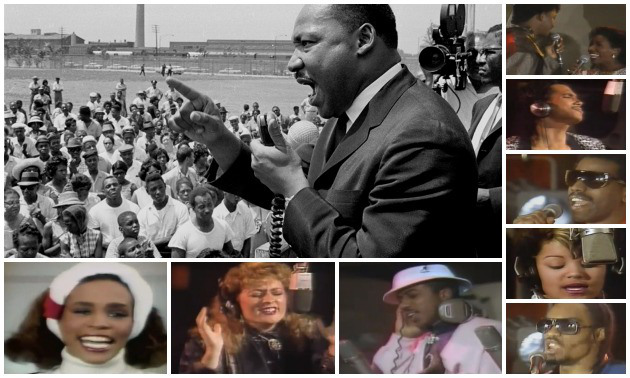
Today we honor the LIFE and LEGACY of the great Martin Luther King Jr.!
It goes without saying that Dr. King was a FREEDOM FIGHTER for ALL people! This HOLIDAY reminds us to look to the past from where we came and to also look to the future for there is so much more work to be done to bring Dr. Martin Luther King Jr’s DREAM to full fruition!
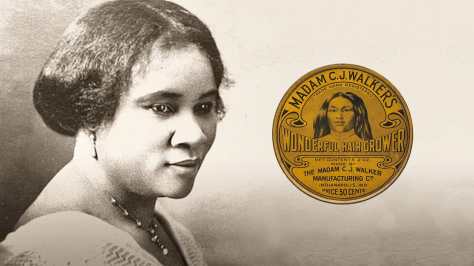
As the end of Reconstruction ushered in a volatile period in which former Confederate states instituted laws that severely restricted the upward mobility of African Americans, life for Black people largely remained just as harsh as it was during slavery. Black residents along the Mississippi River began to flee the South in the late 19th century, settling North for better opportunities. Among those making the journey was an entrepreneur who would become known as Madam C.J. Walker. Walker not only worked her way to becoming a self-made millionaire, she also became a staunch advocate for Black women.
Lucy Terry Prince died in 1821. Her obituary appeared in the August 14, 1821 issue of the Vermont Gazette newspaper. The author wrote that she was a “remarkable woman” with rare qualities. At that time, newspaper obituaries were usually short. Lucy Terry Prince’s obituary was long and said many good things about her intelligence and talents. This was unusual for two reasons: she was a woman, and she was Black.
In the 1800s, society thought that white men were more important than Black people and women. What did Lucy Terry Prince do in her lifetime to be called a remarkable woman in the newspaper?
White slave traders kidnapped Lucy Terry as a baby from Africa in the 1730s. She lived as an enslaved person in Rhode Island and Deerfield, Massachusetts.
Lucy Terry is credited as the author of the of the first poem composed by an African American woman, Lucy Terry Prince was a remarkable woman whose many accomplishments included arguing a case before the Supreme Court. Lucy was stolen from Africa as an infant and sold to Ebenezer Wells of Deerfield, Massachusetts.
Lucy Terry Prince died in 1821. Her obituary appeared in the August 14, 1821 issue of the Vermont Gazette newspaper. The author wrote that she was a “remarkable woman” with rare qualities. At that time, newspaper obituaries were usually short. Lucy Terry Prince’s obituary was long and said many good things about her intelligence and talents. This was unusual for two reasons: she was a woman, and she was Black.
In the 1800s, society thought that white men were more important than Black people and women. What did Lucy Terry Prince do in her lifetime to be called a remarkable woman in the newspaper?
White slave traders kidnapped Lucy Terry as a baby from Africa in the 1730s. She lived as an enslaved person in Rhode Island and Deerfield, Massachusetts.
In Massachusetts, several community members and friends died in a French-led Abenaki raid in 1746. Lucy Terry created a poem about the raid. This poem, called The Bars Fight, was meant to be shared out loud. It was published about 100 years later. This poem made Lucy Terry America’s first published African American poet. Terry was well known for being intelligent and gifted with language.
Lucy Terry married a Black man named Abijah Prince around 1750. He was no longer enslaved and helped Lucy Terry Prince gain her freedom. Together, they had six children. The family moved to farmland in Guilford, Vermont, in 1775.
In Guilford, the Princes had racist neighbors. The neighbors tore down their fences and destroyed their crops. Lucy Terry Prince argued her family’s case before the Governor of Vermont in 1785. She impressed the Council with her skilled speech and “captivated all around her.”
The Prince family won their case, but that did not stop the abuse. Later, a mob led by the neighbor burned the Prince’s hay and harmed their farmhand. Vermont courts found the mob guilty. But the damage to the farm was already done. After her husband’s death in 1794, Lucy Terry Prince left Guilford.
Prince and some of her children moved to Sunderland, Vermont. Her husband bought land there many years earlier. To claim the land, they argued in the Vermont Supreme Court and won. In Prince’s old age, many would visit her home to hear her speak and share stories. When she died in 1821, she was a well-loved and respected member of the Sunderland community.
The following obituary was published for Prince on Tuesday, August 21, 1821, in the Greenfield, Massachusetts, paper The Frankylin Herald:
At Sunderland, Vt., July 11th, Mrs. Lucy Prince, a woman of colour. From the church and town records where she formerly resided, we learn that she was brought from Bristol, Rhode Island, to Deerfield, Mass. when she was four years old, by Mr. Ebenezer Wells: that she was 97 years of age—that she was early devoted to God in Baptism: that she united with the church in Deerfield in 1744—Was married to Abijah Prince, May 17th, 1756, by Elijah Williams, Esq. and that she had been the mother of six children. In this remarkable woman there was an assemblage of qualities rarely to be found among her sex. Her volubility was exceeded by none, and in general, the fluency of her speech was not destitute of instruction and education. She was much respected among her acquaintances, who treated her with deference.[16]
The Prince family was remembered in Guilford for many decades after their death.
During Black History Month, we honor trailblazers like Bessie Coleman, who refused to let barriers keep her grounded.
Bessie Coleman defied the odds, becoming the first Black woman to earn an international pilot’s license in 1921. When flight schools in the U.S. denied her entry due to discrimination, she took her dreams to France and made history. Returning home, she wowed crowds as a daring stunt pilot, inspiring generations to chase their ambitions fearlessly.
Bessie Coleman was born in Waxahachie, Texas in 1892. Her mother was of African ancestry and her father was of African and Native American ancestry.
Due to discrimination in the United States, however, she went to France to attend an aviation school to become a pilot. In 1921, she became the first American woman to obtain an international pilot’s license.
Coleman came back to the United States and became a stunt pilot. She also raised money to start a school to train African American aviators, hoping to afford them opportunities that were not then available in the U.S.
“Well, because I knew we had no aviators, neither men nor women, and I knew the Race needed to be represented along this racist important line, so I thought it my duty to risk my life to learn aviating and to encourage flying among men and women of the Race who are so far behind the white men in this special line, I made up my mind to try. I tried and was successful.” – Bessie Coleman, Excerpt from “Aviatrix Must Sign Life Away to Learn Trade,” Chicago Defender, October 8, 1921
Coleman was killed in 1926 during an aerial show rehearsal. Her barrier-breaking life, determination, and impressive career accomplishments continue to provide inspiration for others to this day.

![#WomansHistoryMonth: #CorettaScottKing [details]](https://thegamutt.blog/wp-content/uploads/2026/03/coretta-scott-king-thegamutt.jpg?w=672&h=372&crop=1)
![#BlackHistoryMonth Moment: #BessieColeman: 1st Black woman to earn an International pilot’s license! [details]](https://thegamutt.blog/wp-content/uploads/2025/02/bessie-coleman2-thegamutt.jpg?w=672&h=372&crop=1)


![#BlackHistoryMonth Moment: #JamesMcCuneSmith-America’s 1st Black physician! [details]](https://thegamutt.blog/wp-content/uploads/2023/02/james_mccunesmith-thegamutt.jpg?w=672&h=372&crop=1)
![#BlackHistoryMonth Moment: #CarterGWoodson ‘The Father of Black History’ [details]](https://thegamutt.blog/wp-content/uploads/2023/02/dr.-carter-g.-woodson-thegamutt.jpg?w=672&h=372&crop=1)
 In case you didn’t already know, the creator of Black History Month was historian Carter G. Woodson. Often referred to as the “Father of Black History,” he was notably the second African American to graduate from Harvard University with a doctorate degree and is credited with being one of the first scholars to study and research the history of African Americans.
 ![#TheGamutt kicks off #BlackHistoryMonth 2026! [Details]](https://thegamutt.blog/wp-content/uploads/2023/02/black-history-is-american-history-1.gif?w=672&h=372&crop=1)


![WAKE UP JAM: #MLKDay #KingDreamChorus and #HolidayCrew ~ ‘King Holiday’ [vid]](https://thegamutt.blog/wp-content/uploads/2023/01/kingholiday-thegamutt.jpeg?w=672&h=372&crop=1)
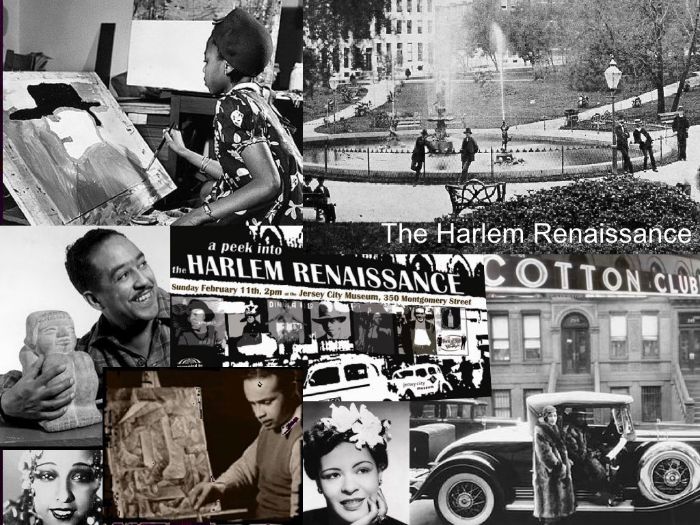
![Black History Month Moment: #TheHarlemRenaissance [details]](https://thegamutt.blog/wp-content/uploads/2023/02/harlem-renaissance2-thegamutt.jpg?w=672&h=372&crop=1)
![#BlackHistoryMonth Moment: self-made millionaire, #MadameCJWalker! [details]](https://thegamutt.blog/wp-content/uploads/2025/02/madam-cj-walker-thegamutt.jpg?w=672&h=372&crop=1)
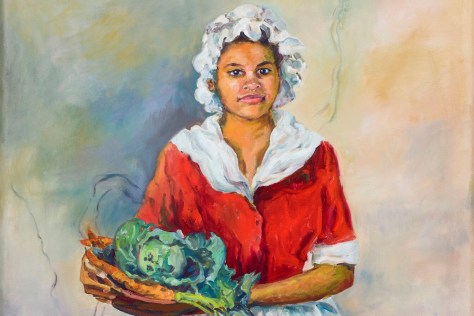
![#BlackHistoryMonth Moment: #LucyTerryPrince-the 1st African-American Poet! [details]](https://thegamutt.blog/wp-content/uploads/2025/02/lucy-terry-thegamutt.jpg?w=672&h=372&crop=1)
 The Gamutt Blog