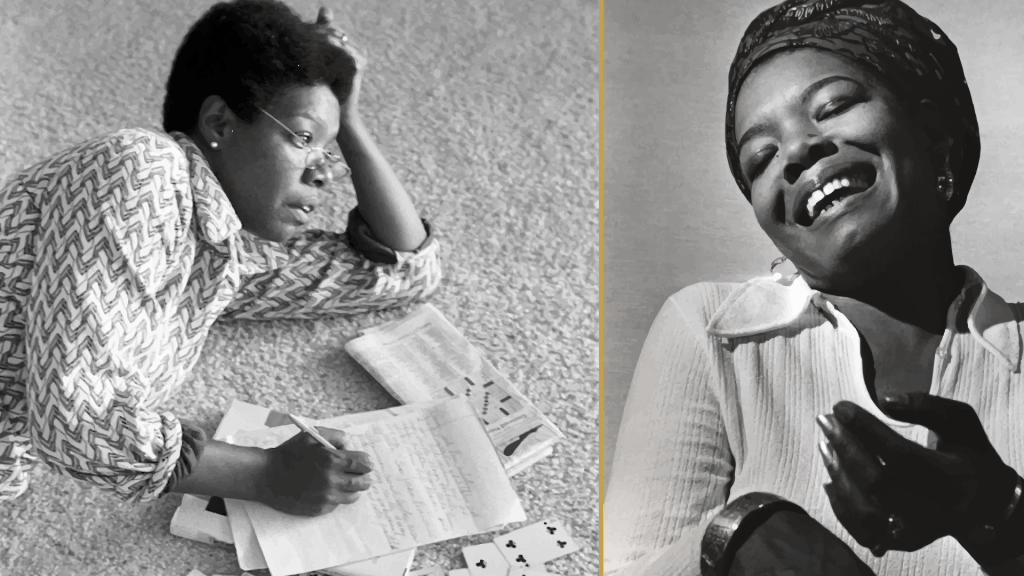
Poet, dancer, singer, activist, and scholar Maya Angelou was a world-famous author. She was best known for her unique and pioneering autobiographical writing style.
On April 4, 1928, Marguerite Ann Johnson, known to the world as Maya Angelou, was born in St. Louis, Missouri. Due to her parents’ tumultuous marriage and subsequent divorce, Angelou went to live with her paternal grandmother in Stamps, Arkansas at an early age. Her older brother, Bailey, gave Angelou her nickname “Maya.”
Time FLIES when you’re HAVING FUN, right!?? Here we go again! It’s our 15th Birthday, anniversary or whatever you want to call it. We’ve been going STRONG for 15 years!? WOW! But today feels different. It’s time to SHAKE THINGS UP!
The life of R&B legend Roberta Flack was celebrated at a star-studded memorial in Harlem, New York’s Abyssinian Baptist Church on Monday, March 10th. Fugees members Ms. Lauryn Hill and Wyclef Jean made a surprise appearance, performing covers of Flack’s songs.
Lucy Terry Prince died in 1821. Her obituary appeared in the August 14, 1821 issue of the Vermont Gazette newspaper. The author wrote that she was a “remarkable woman” with rare qualities. At that time, newspaper obituaries were usually short. Lucy Terry Prince’s obituary was long and said many good things about her intelligence and talents. This was unusual for two reasons: she was a woman, and she was Black.
In the 1800s, society thought that white men were more important than Black people and women. What did Lucy Terry Prince do in her lifetime to be called a remarkable woman in the newspaper?
White slave traders kidnapped Lucy Terry as a baby from Africa in the 1730s. She lived as an enslaved person in Rhode Island and Deerfield, Massachusetts.
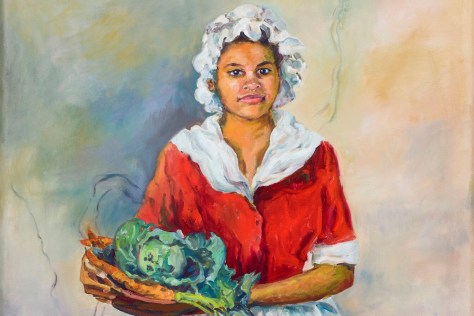
Lucy Terry is credited as the author of the of the first poem composed by an African American woman, Lucy Terry Prince was a remarkable woman whose many accomplishments included arguing a case before the Supreme Court. Lucy was stolen from Africa as an infant and sold to Ebenezer Wells of Deerfield, Massachusetts.
Lucy Terry Prince died in 1821. Her obituary appeared in the August 14, 1821 issue of the Vermont Gazette newspaper. The author wrote that she was a “remarkable woman” with rare qualities. At that time, newspaper obituaries were usually short. Lucy Terry Prince’s obituary was long and said many good things about her intelligence and talents. This was unusual for two reasons: she was a woman, and she was Black.
In the 1800s, society thought that white men were more important than Black people and women. What did Lucy Terry Prince do in her lifetime to be called a remarkable woman in the newspaper?
White slave traders kidnapped Lucy Terry as a baby from Africa in the 1730s. She lived as an enslaved person in Rhode Island and Deerfield, Massachusetts.
In Massachusetts, several community members and friends died in a French-led Abenaki raid in 1746. Lucy Terry created a poem about the raid. This poem, called The Bars Fight, was meant to be shared out loud. It was published about 100 years later. This poem made Lucy Terry America’s first published African American poet. Terry was well known for being intelligent and gifted with language.
Lucy Terry married a Black man named Abijah Prince around 1750. He was no longer enslaved and helped Lucy Terry Prince gain her freedom. Together, they had six children. The family moved to farmland in Guilford, Vermont, in 1775.
In Guilford, the Princes had racist neighbors. The neighbors tore down their fences and destroyed their crops. Lucy Terry Prince argued her family’s case before the Governor of Vermont in 1785. She impressed the Council with her skilled speech and “captivated all around her.”
The Prince family won their case, but that did not stop the abuse. Later, a mob led by the neighbor burned the Prince’s hay and harmed their farmhand. Vermont courts found the mob guilty. But the damage to the farm was already done. After her husband’s death in 1794, Lucy Terry Prince left Guilford.
Prince and some of her children moved to Sunderland, Vermont. Her husband bought land there many years earlier. To claim the land, they argued in the Vermont Supreme Court and won. In Prince’s old age, many would visit her home to hear her speak and share stories. When she died in 1821, she was a well-loved and respected member of the Sunderland community.
The following obituary was published for Prince on Tuesday, August 21, 1821, in the Greenfield, Massachusetts, paper The Frankylin Herald:
At Sunderland, Vt., July 11th, Mrs. Lucy Prince, a woman of colour. From the church and town records where she formerly resided, we learn that she was brought from Bristol, Rhode Island, to Deerfield, Mass. when she was four years old, by Mr. Ebenezer Wells: that she was 97 years of age—that she was early devoted to God in Baptism: that she united with the church in Deerfield in 1744—Was married to Abijah Prince, May 17th, 1756, by Elijah Williams, Esq. and that she had been the mother of six children. In this remarkable woman there was an assemblage of qualities rarely to be found among her sex. Her volubility was exceeded by none, and in general, the fluency of her speech was not destitute of instruction and education. She was much respected among her acquaintances, who treated her with deference.[16]
The Prince family was remembered in Guilford for many decades after their death.

![#WomensHistoryMonth: Poet, Activist, Scholar- #MayaAngelou [details]](https://thegamutt.blog/wp-content/uploads/2026/03/maya-angelou-thegamutt.png?w=672&h=372&crop=1)
![Happy 15th Birthday #TheGamutt! [vids]](https://thegamutt.blog/wp-content/uploads/2026/01/thegamutt-15-2.webp?w=672&h=372&crop=1)

![#TheFugees’ #MsLaurynHill & #Wyclef PERFORM at #RobertaFlack’s memorial service! [vid]](https://thegamutt.blog/wp-content/uploads/2025/03/laurynhill-wyclef-flack-thegamutt.jpg?w=672&h=372&crop=1)

![#BlackHistoryMonth Moment: #LucyTerryPrince-the 1st African-American Poet! [details]](https://thegamutt.blog/wp-content/uploads/2025/02/lucy-terry-thegamutt.jpg?w=672&h=372&crop=1)
 The Gamutt Blog