
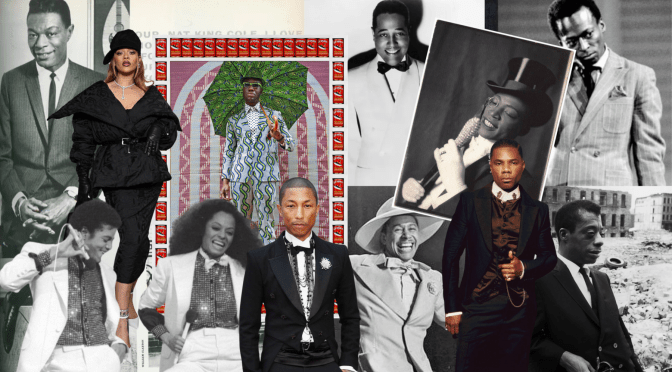

Just what is Black Dandyism!?
The history-laden style movement will be front and center as part of the Metropolitan Museum of Art’s Costume Institute spring exhibit, “Superfine: Tailoring Black Style,” kicking off with the biggest night in fashion, Monday’s Met Gala.
What is dandyism?
Once used to describe the aristocratic style and leisurely pursuits of figures like Regency England’s Beau Brummell, dandyism has been recontextualized over the years to embody liberation and resistance through exuberant self-expression.
This evolution of the term began with the trans-Atlantic slave trade. Miller, guest curator of the Met exhibit, writes how, in the 18th century, young, dandified Black servants in England were forced to wear gold, brass or silver collars with padlocks and fine livery — uniforms for slaves and servants — that signaled their owners’ wealth.
“They wanted the enslaved person to stand out almost as if they were a luxury item,” said Jonathan Square, Parsons School of Design assistant professor and one of the advisers on the Met exhibit.
Slaves arrived in America with few or no belongings. What they had left, they treasured, be it beads or small precious objects, Miller writes.
“This is as true for those who were deliberately dressed in silks and turbans, whose challenge was to inhabit the clothing in their own way, as for those who were more humbly attired, who used clothing as a process of remembrance and mode of distinction (and symbolic and sometimes actual escape from bondage) in their new environment,” Miller explains in her book.
Stripped of their identities, enslaved people often added their own flair to their tailored Sunday best looks for church or on holidays.
Post-Emancipation, Black Americans had the chance to reclaim their autonomy and carve out new lives for themselves, paving the way for the Harlem Renaissance.
A new era with the Harlem Renaissance
Black Americans fled the South for cities like Chicago, Los Angeles and New York in a period dubbed the Great Migration. From the 1920s to the 1930s, New York’s Harlem neighborhood became an influential and fertile landscape for Black cultural expression. From Langston Hughes and Zora Neale Hurston to Duke Ellington and Louis Armstrong, its prominent minds reshaped the fabric of American culture and challenged prejudiced beliefs.
The Harlem Renaissance gave fashion a soul, said Brandice Daniel, founder of Harlem’s Fashion Row, an agency that connects designers of color with retailers and brand opportunities.
“It was this birthplace of this visual identity that spoke to what we now call Black excellence,” she said.
The renaissance meant living and dressing boldly for Black Americans, pushing past societal confines and making themselves visible. Adding their own twist on mainstream looks, women donned furs and beaded dresses while men experimented with tailored fabrics, pristine fedora hats, two-toned oxfords and billowing silhouettes.
“Many of us have a photo of our grandfather decked out with the suiting, but it’s also the stance and the kind of posture and the assertion of presence,” said Tara Donaldson, co-author of “Black In Fashion: 100 Years Of Style, Influence, and Culture.”
Black people are finally getting their flowers for being style icons
Ev Bravado, co-founder of the fashion label Who Decides War
W.E.B. Du Bois, a pivotal figure of the era who often appeared in a three-piece suit, a frock coat and top hat, understood the power of self-fashioning, said Valerie Steele, director of The Museum at the Fashion Institute of Technology. At the 1900 Paris Exposition, Du Bois mounted a photographic exhibit centered on showcasing Black Americans’ economic, social and cultural contributions to combat stereotypes.
“That kind of self-fashioning is very much a way of reclaiming a sense of self-respect that had been denied by a society that aggressively was saying, ‘No, no you can’t have that,’” Steele said.
A key, enduring look: The zoot suit
One style that arose out of the Harlem Renaissance, directly linked to dandyism, was the zoot suit. The suit, defined by high-waisted draped pants and oversized jackets with exaggerated shoulders and large lapels, was subversive simply by taking up space. Because of fabric rations during World War II, owning a zoot suit, with its excessive use of fabric, was an act of protest, Square said.
The style was quickly adopted by Mexican American and Filipino American men in Los Angeles. In 1943, servicemen and police officers attacked Black, Mexican and Filipino men in what was labeled the Zoot Suit Riots. The zoot suit lives on today in the gender-fluid designs of Willy Chavarria.
Dandyism transcends gender
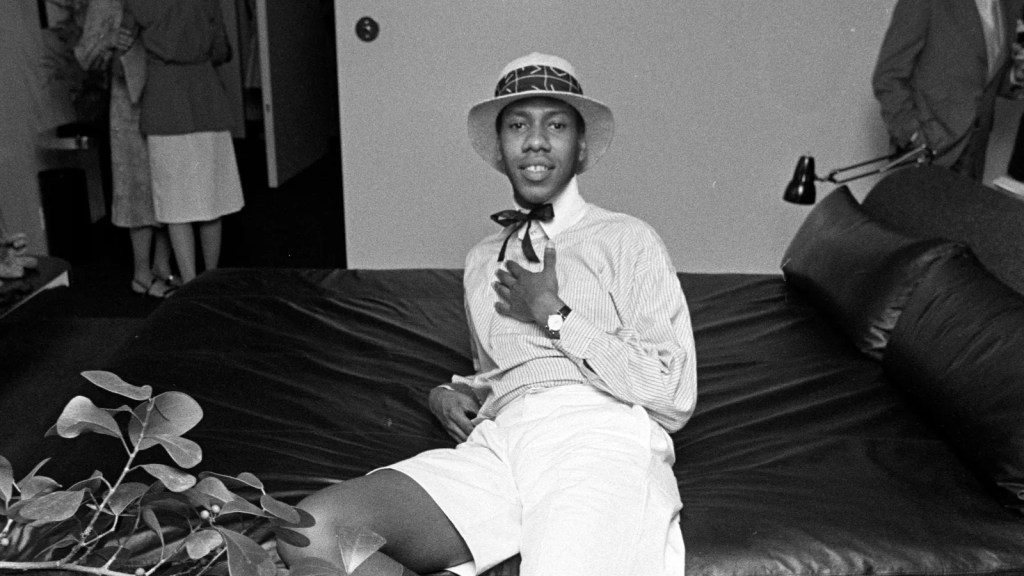
Dandyism was not limited to men. Following World War I, women began breaking down fashion’s gender norms. With her tuxedo and top hat, blues singer and entertainer Gladys Bentley epitomized how women in the Harlem Renaissance blurred gender lines and adopted more masculine styles of dress.
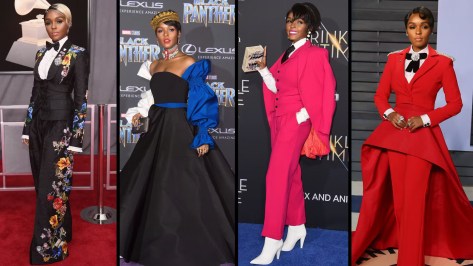
Singer and actor Monáe, who sits on this year’s Met Gala’s host committee, is not shy about standing out on a red carpet in her tailored, playful looks. Monáe’s distinct style and flourishes with oversized hats, whimsically tailored suits and ornate bow ties personify the dandy style. [CNN]
There is something undeniably magnetic about the sharp creases of a tailored suit, the gleam of polished leather shoes, the swish of a silk pocket square. But for Black dandyism, this isn’t just about looking good—it’s a declaration. A defiant reclaiming of space in a world that has long sought to define and confine Black identity. So, what exactly is Black dandyism? At its core, it’s a fashion revolution, a movement steeped in history, resistance, and pride. But its impact stretches far beyond the sartorial. It’s a cultural statement, an act of protest, and, above all, an enduring celebration of individuality. With the 2025 Met Gala theme “Superfine: Tailoring Black Style” focusing on the pivotal role Black culture plays in shaping fashion, Black dandyism is receiving the global spotlight it has long deserved.
What Is Dandyism?
Dandyism is often described as a style, but it’s more than just aesthetics. The original dandy—most famously embodied by figures like Beau Brummell in 18th-century Britain—was a man whose primary purpose was to stand out by being impeccably groomed and dressed. Brummell, whose personal motto was “Don’t talk about your clothes, let your clothes do the talking,” revolutionized fashion by elevating personal style to an art form. He rejected the flamboyance of past aristocratic dress, favoring understated, sharp tailoring that emphasized refinement over ostentation.
For the dandy, fashion was a vehicle for both self-expression and a subtle form of rebellion against societal norms. And that rebellious streak is just as present in Black dandyism—though here, the stakes are higher. Black dandyism has always been about more than aesthetics. It has been about identity, power, and resistance. In a world where Black people have been marginalized, the dandy became a figure who defied the rigid categories of race and class that sought to confine them.
The History of Black Dandyism
The roots of Black dandyism lie in the intricate weaving of Black culture with European-style fashion—beginning in the post-Emancipation period, but coming into full force during the Harlem Renaissance. In the 1920s, Harlem became the epicenter of Black intellectual and artistic thought. Figures like Langston Hughes, Josephine Baker, and Zora Neale Hurston were breaking barriers with their literary and artistic contributions. But equally important was the cultural revolution taking place in fashion.
The Black dandy of the Harlem Renaissance was someone who used dress to assert themselves in a world that often denied them dignity. Just as dandyism had once represented defiance against the traditional aristocracy, it now became a way to reject the limitations placed on Black people in America. The sharp suit, the polished shoes, the bow tie—these were not just fashion choices; they were ways of asserting one’s right to exist on their own terms. In a racially segregated America, the Black dandy’s outfit became a form of resistance, an elegant middle finger to a society that sought to define them by race, not character.
Fast forward to today, and Black dandyism has evolved but remains rooted in these same ideals. The modern Black dandy embraces bespoke tailoring, extravagant accessories, and bold color palettes, but the significance is just as potent.
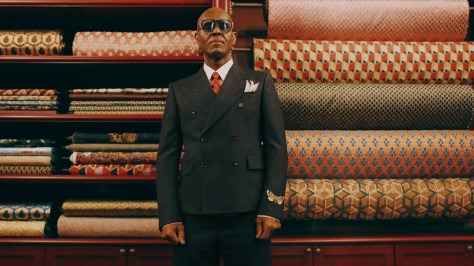
The upcoming 2025 Met Gala, themed “Superfine: Tailoring Black Style,” promises to bring Black dandyism into the global spotlight once more. This year’s theme is a direct acknowledgment of the influence that Black culture—particularly Black fashion—has had on shaping the broader fashion landscape. Curated by Monica L. Miller, author of Slaves to Fashion: Black Dandyism and the Styling of Black Diasporic Identity, the exhibition will explore how dandyism in Black culture is not just a matter of dress, but an assertion of autonomy, beauty, and power in the face of a world that continues to attempt to restrict Black expression.
How Has Black Dandyism Evolved?
If the early days of Black dandyism were rooted in survival—surviving a world that sought to erase or diminish Black people—the later evolution has been about flourishing. It’s been about taking that heritage of resistance and transforming it into something creative, innovative, and deeply personal. From the Harlem Renaissance to the Black Power Movement to today’s fashion runways, Black dandyism has adapted with the times, taking on new forms while remaining committed to its core values.
Today, Black dandyism is alive and well on the fashion runways. Brands like Balmain, under Olivier Rousteing, reimagine dandyism with opulent, theatrical designs, celebrating both Black identity and historical reclamation. Thom Browne’s precise tailoring and subverted silhouettes challenge traditional norms, while Martine Rose merges street culture with high fashion through oversized, bold pieces that embody contemporary Black dandyism.
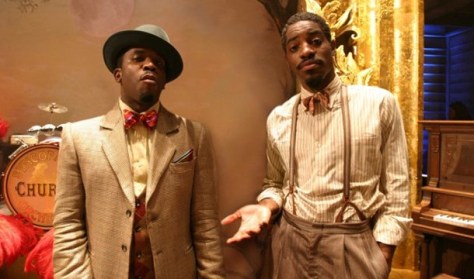
Dior Men, led by Kim Jones, blends luxurious craftsmanship with global influences, making room for a more inclusive narrative, while Savile Row’s bespoke tailoring now serves as a platform for Black dandies to redefine classical elegance with their own identity. These brands illustrate how Black dandyism has seamlessly woven itself into the fabric of high fashion, continuing to empower self-expression and defy sartorial boundaries.
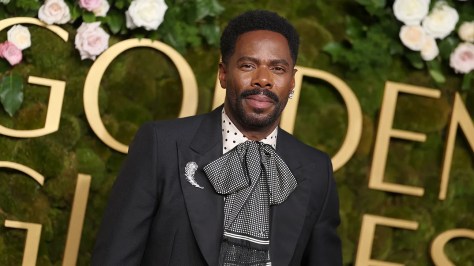
The upcoming Met Gala will showcase these shifting dynamics, reflecting the growing importance of Black culture in global fashion. Through the “Superfine” theme, the Met will celebrate the craftsmanship and culture that Black dandyism has contributed to high fashion, finally giving it the recognition it deserves.
Key Characteristics of Black Dandy Fashion
There are some unmistakable elements that define Black dandy fashion, but its key characteristic is versatility. Unlike other forms of fashion, Black dandyism is fluid—it embraces both modern and classic styles, often blending the two to create something uniquely individual. Here’s a breakdown of what makes the style so striking:
Bespoke Tailoring: From hand-stitched suits to perfectly cut trousers, the dandy’s wardrobe is built on precision and fit. Tailoring is key to this look, and a well-fitted suit is always a statement in itself.
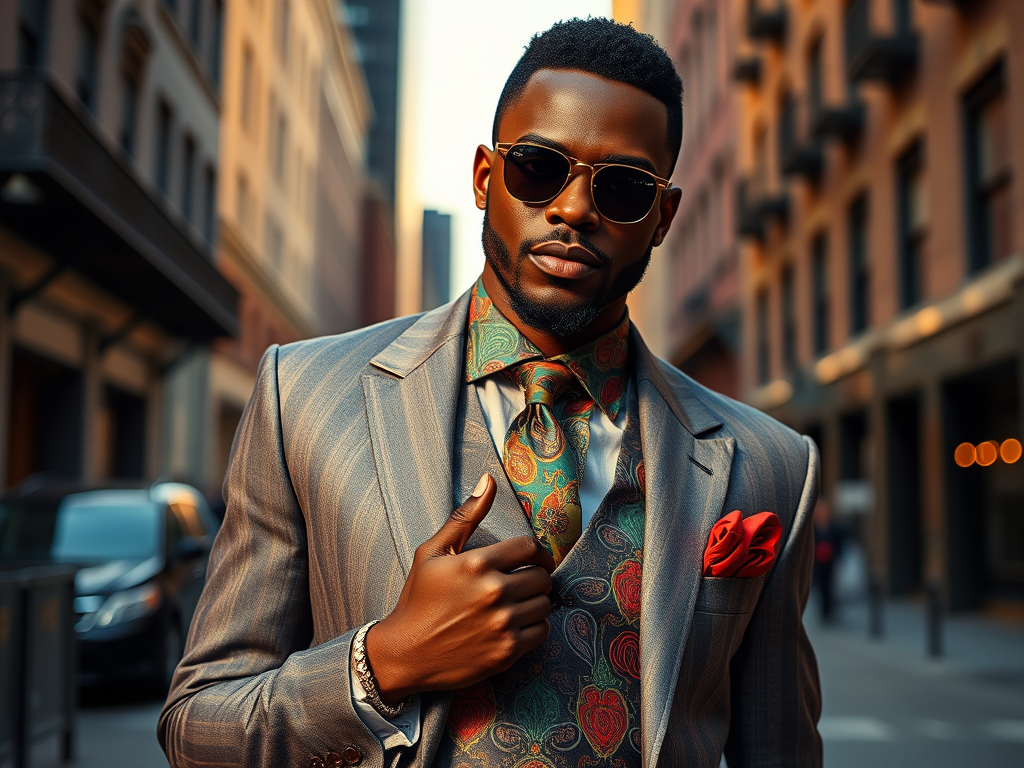
Bold Colors and Patterns: Black dandy fashion isn’t afraid to embrace bold prints, whether it’s floral patterns, checks, or stripes. The color palette often veers away from the somber shades typically associated with formal wear, opting for vibrant hues that stand out.
Accessorizing with Purpose: A Black dandy’s accessories—whether it’s a pocket square, a fedora, or a pair of statement sunglasses—are never just for show. They’re carefully chosen to complement the overall look, adding an additional layer of personality and individuality.
Cultural Fusion: Modern Black dandyism doesn’t just echo European sartorial traditions. It incorporates global influences—African textiles, Caribbean flair, and American street style—creating an aesthetic that is both universal and deeply personal.
The Enduring Legacy of Black Dandyism
Black dandyism is more than just a style—it’s a cultural movement that continues to evolve, adapt, and inspire. From the Harlem Renaissance to the Met Gala’s 2025 theme, the impact of Black dandyism is felt far beyond fashion. It’s a reminder that what we wear is never just about the clothes; it’s about identity, power, and the ability to shape the world in our image.
When we talk about Black dandyism, we are talking about more than just fashion—we’re talking about reclaiming space, rewriting narratives, and standing proudly in the face of a history that tried to define us. It is, in essence, an enduring rebellion, one that continues to evolve but always remains rooted in the values of self-expression, pride, and resistance. [Vogue]

