Imagine this…. travel back in your mind to the bygone, sparkling summer of 2019. Think of the media you consumed in the last glorious months before the world changed forever.
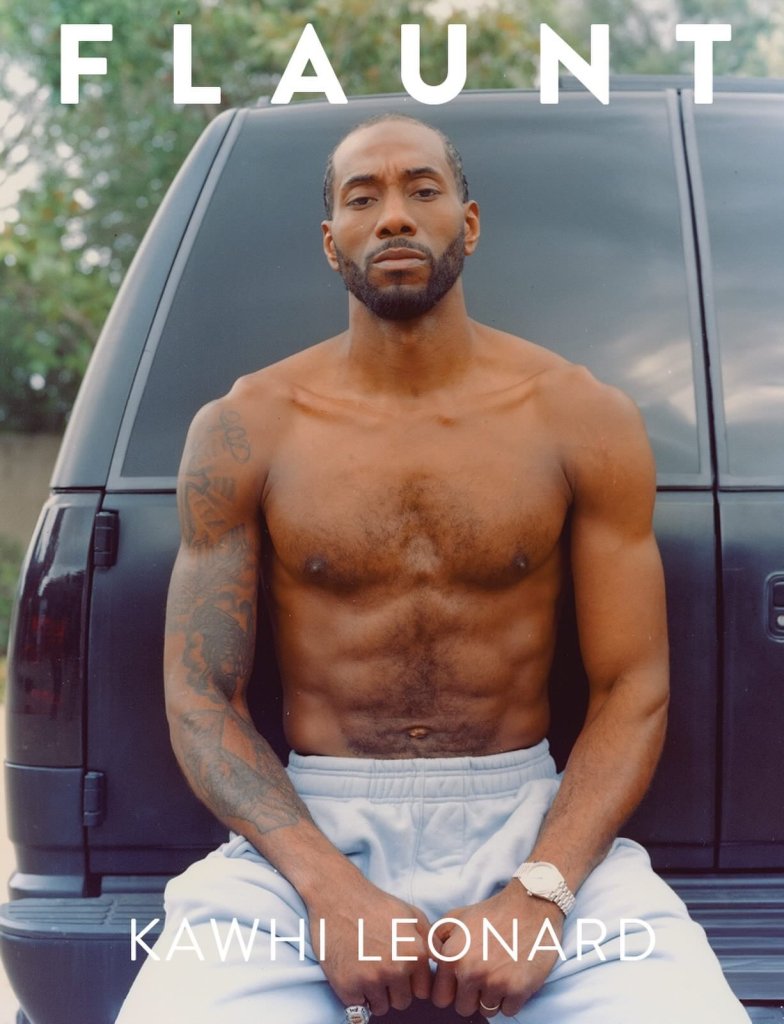
If you’re a fan of basketball, you were most certainly watching something that at one time seemed inconceivable: a team from Toronto, Canada, reveling in an NBA championship. And at the center of it all, cradling the Finals MVP trophy, was the iconic Kawhi Leonard.
The enigmatic superstar had just come off the best gun-for-hire season the league had ever seen, leading the Raptors to their only world championship in his lone year with the franchise. Having secured his first Finals MVP award a few seasons prior with the Spurs, he was regarded by many as the best basketball player in the world.
Bad Bunny has once again brought us a colorful collaboration with adidas Originals through the “Gazelle City Series.” From sold-out stadium tours to memorable red carpet moments, he has proven that his influence transcends music, redefining not only Latin music but also global style.

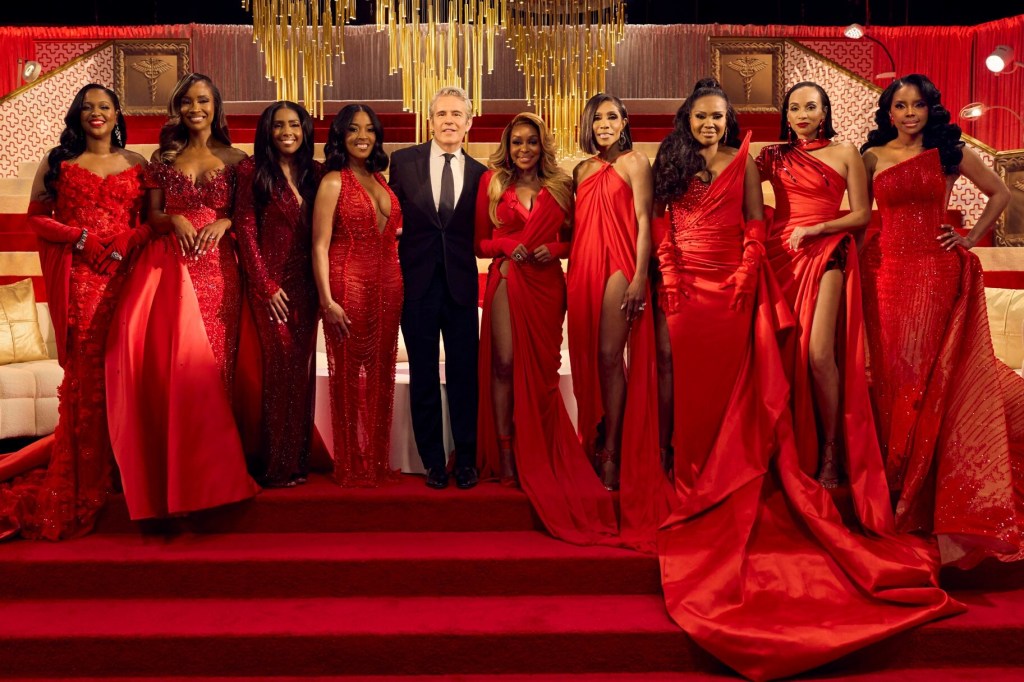
![#Married2Med season 12 reunion looks are IN! [pics]](https://thegamutt.blog/wp-content/uploads/2026/03/img_1572.jpg?w=672&h=372&crop=1)
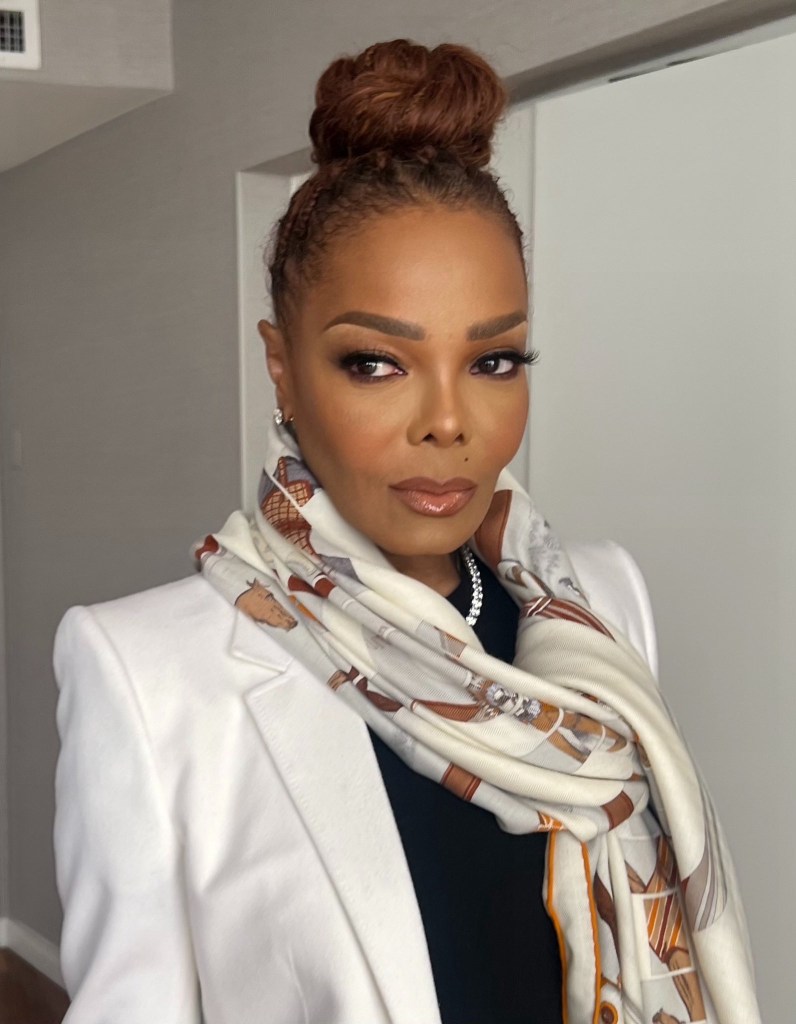
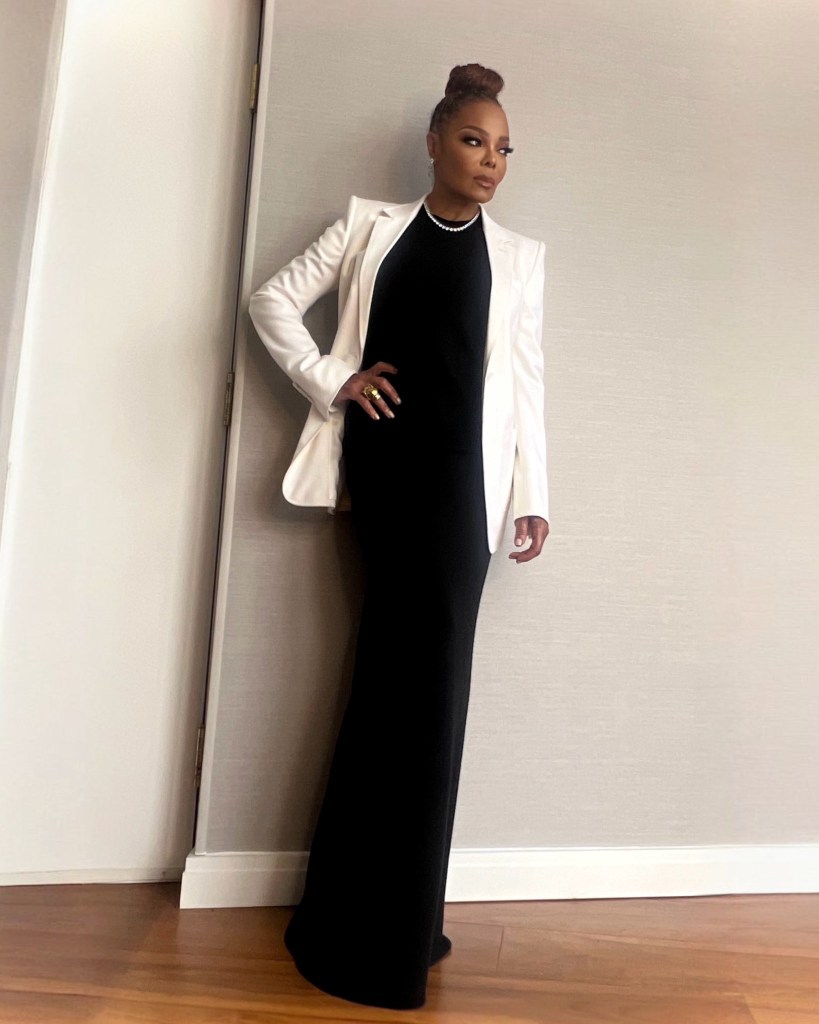
![Hot Shot of the Day: #JanetJackson [pics]](https://thegamutt.blog/wp-content/uploads/2026/02/img_1516.jpg?w=672&h=372&crop=1)
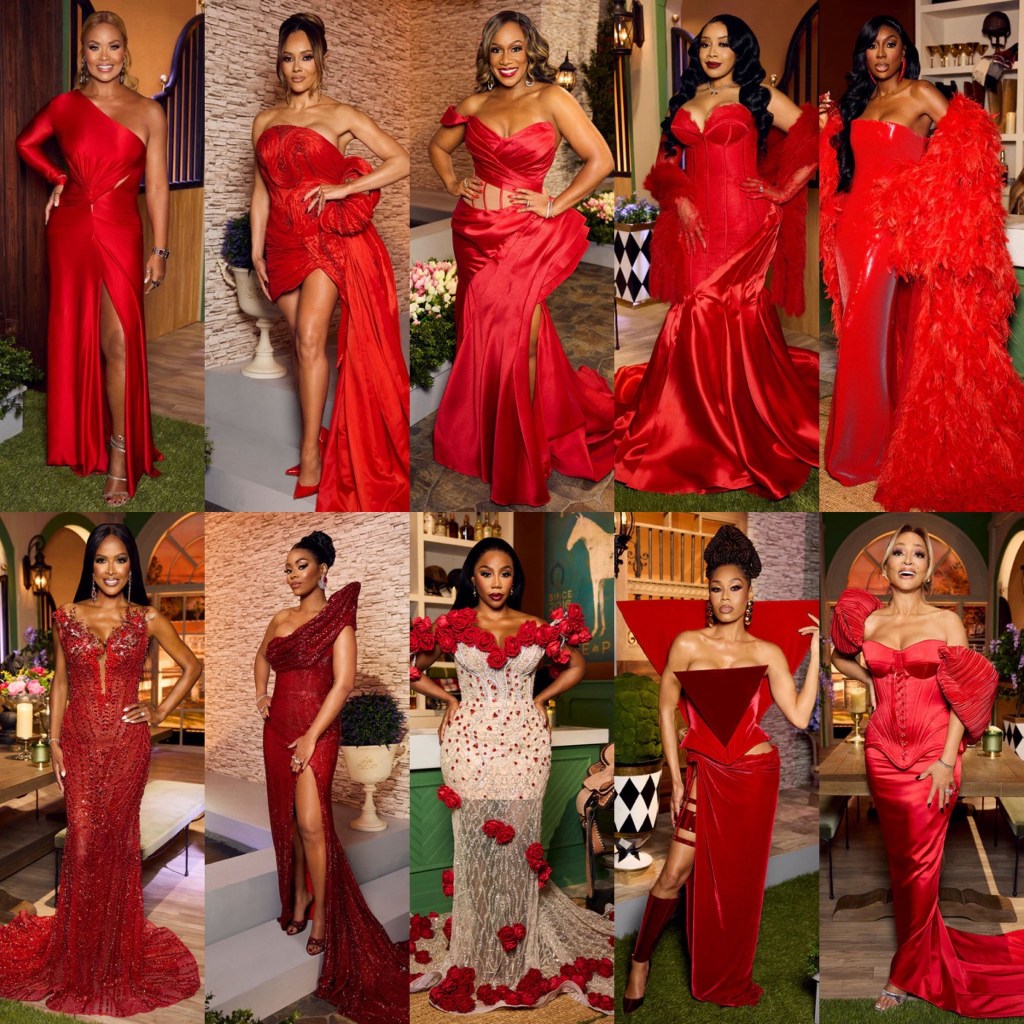
![#RHOP season 10 reunion LOOKS are HERE! Who SERVED!? [pic]](https://thegamutt.blog/wp-content/uploads/2026/01/img_1289.jpg?w=672&h=372&crop=1)
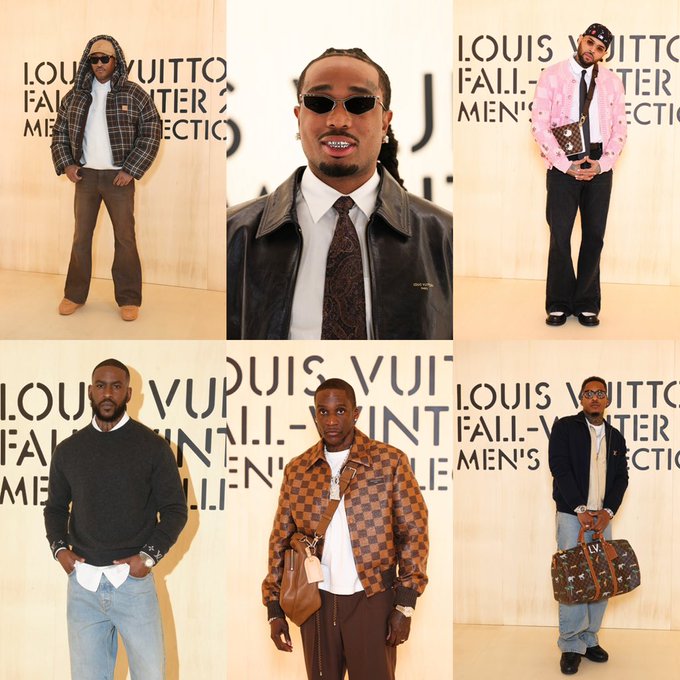
![#ParisFashionWeek: #ChrisBrown #Quavo #Future and MORE stun and #LV Fall/Winter show! [pics]](https://thegamutt.blog/wp-content/uploads/2026/01/lvfashionweek-thegamutt.jpg?w=672&h=372&crop=1)
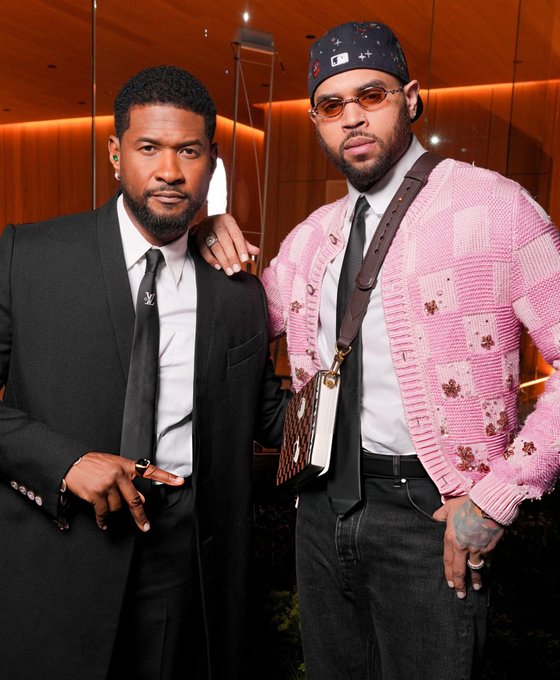
![STAR TRACKS: #Usher & #ChrisBrown looking DAPPER at #LouisVuitton Paris #FashionWeek show! [pics]](https://thegamutt.blog/wp-content/uploads/2026/01/usher-breezy2-fw26-thegamutt.jpg?w=672&h=372&crop=1)
![#Rihanna gets CHEEKY in latest #SavagexFenty Valentine’s drop! [pics]](https://thegamutt.blog/wp-content/uploads/2026/01/img_1223.jpg?w=672&h=372&crop=1)
![MAG TAG: #KawhiLeonard covers #Flaunt Magazine! [vid]](https://thegamutt.blog/wp-content/uploads/2025/11/kawhi-flaunt-thegamutt.jpeg?w=672&h=372&crop=1)
![Thirst Trap: NBA’s #JalenGreen STRIPS DOWN for #CalvinKlein! [vid]](https://thegamutt.blog/wp-content/uploads/2025/09/jalen-green-ck-thegamutt.jpeg?w=672&h=372&crop=1)


![Iconic fashion designer #GiorgioArmani has passed away at 91! [details]](https://thegamutt.blog/wp-content/uploads/2025/09/img_0072.jpg?w=672&h=372&crop=1)
![#BadBunny x #adidas Originals pay tribute to #PuertoRico With the “Gazelle City Series” [pics]](https://thegamutt.blog/wp-content/uploads/2025/08/bad-bunnyxadidas-thegamutt.jpg?w=672&h=372&crop=1)


